Getting a telephone call that a relative has been apprehended for drunk driving or dui has a means of cold the space. The clock starts to matter more than anything else, and the bond procedure relocates faster than lots of people anticipate. I have actually rested at kitchen area tables with parents, companions, and buddies who were attempting to make three decisions simultaneously: how to obtain a person out, exactly how to pay for it, and exactly how to maintain the instance from spiraling. This overview distills what actually takes place, how Bail Bonds operate in drunk driving and drunk driving cases, and what wise options look like in the very first days after an arrest.
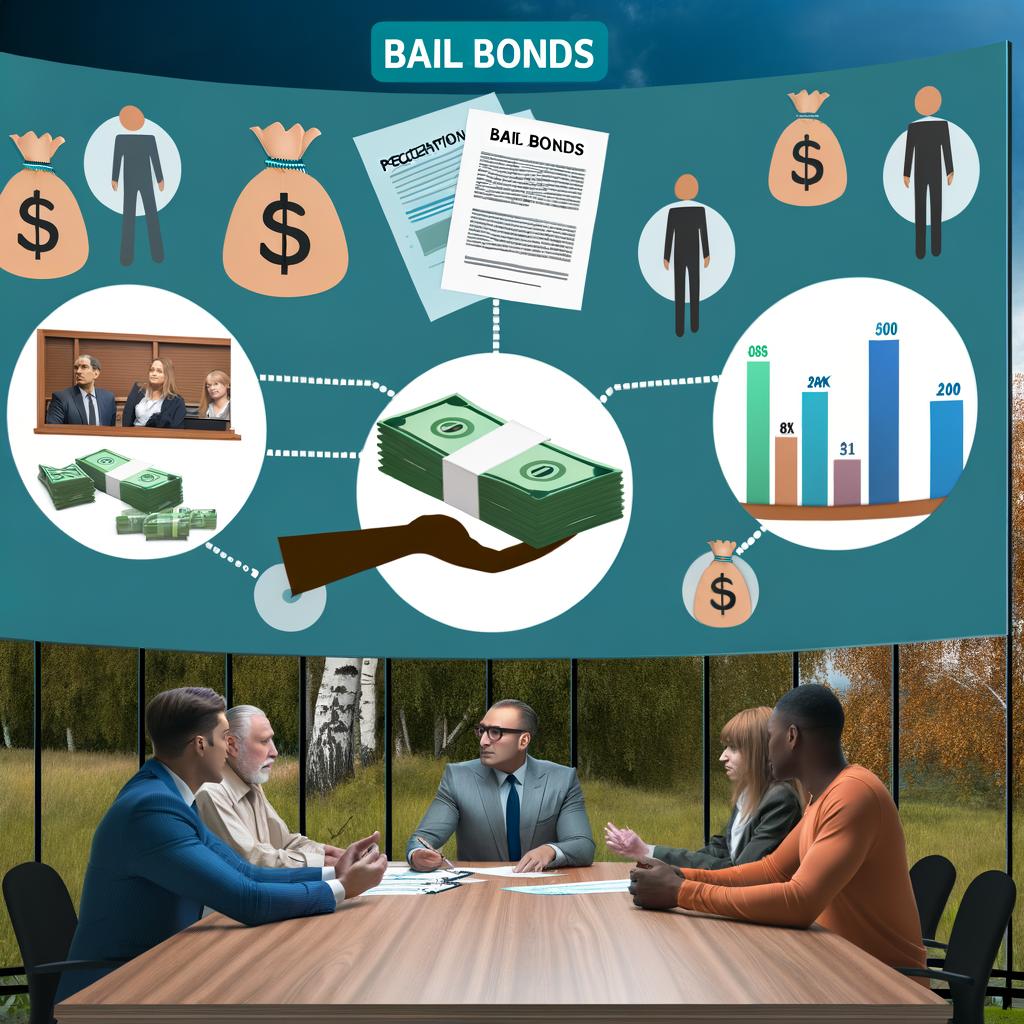
What a DUI or DWI arrest embed in motion
The first stage is the quit and apprehension. Police officers decide based upon driving actions, field soberness tests, and in most jurisdictions, a preliminary breath examination. The reservation sequence adheres to routine steps: fingerprints, photos, a first testing, and positioning in a holding cell. For a first crime without any injury, the individual may be launched on a citation and an assurance to appear. Yet lots of territories still call for bail for any type of damaged driving cost, and almost all will for cases including high blood alcohol concentration, a crash, prior sentences, minors in the vehicle, or injuries.
After reservation, a magistrate or court sets bail. This can occur at a predetermined schedule or at a short hearing, usually within 8 to 2 days. An initial violation without annoying elements might carry bond in the variety of a couple of hundred to a few thousand bucks. Include stress, and numbers climb quickly. Injury cases can press bail to 5 numbers. If there was a fatality or a hit and run, a court might refute bond entirely or set a number designed to hold the defendant.
The goal of bond is basic in theory, yet easy to misunderstand. Bail is not penalty and not a penalty. It is a conditional release, created to make sure the offender appears for court and abides by policies set by the court. Those regulations vary by state and court, but for drunk driving and DWI they frequently include a no alcohol problem, random testing, ignition interlock installment, no driving without a valid license, and, in extra significant cases, general practitioner or SCRAM alcohol monitoring.
Cash bail, surety bonds, and the peaceful distinction that matters
Families usually challenge three options: money bond, surety bond, or an own-recognizance release. The last one is easy, sign and go, however it is not constantly used. Cash money bond seems uncomplicated-- pay the sum total to the court clerk and get it back at the end of the situation if the offender goes to all hearings and complies with orders. The catch is liquidity. Not every family can tie up $5,000 or $20,000 for several months while the situation unfolds.
That is where Bail Bonds get in. A surety bond is a contract amongst three parties: the court, an accredited bail bond representative, and a surety business that backs the representative. The representative articles a bond for the full bond amount and fees you a costs, commonly a set portion. In many states it is 10 percent. In a few, it ranges from 8 to 15 percent. This premium is the agent's cost, not a deposit, and it does not come back at the end of the situation. The agent may additionally call for security, particularly if bail is high or the defendant has weak connections to the community. Security can be cash money, a lorry title, or perhaps a lien on real property. When the case shuts-- termination, plea, or verdict-- the bond is discharged, and collateral is released if there were no breaches.
The quiet distinction that matters is who holds the threat. With cash money bond, you installed the total and trust the accused to abide. With a guaranty bond, the representative and the guaranty shoulder that danger, and they price accordingly. The premium might feel high, yet it often costs less than touching retirement funds or interfering with financial savings in a fire drill. I have actually seen households invest 10 days clambering to sell off cash, just to find out that their regional court would certainly have launched with a bond at a fraction of the upfront cost.

What judges evaluate when establishing bail for drunk driving and DWI
Judges have 2 mandates: public safety and security and appearance in court. With impaired driving, public security takes center stage. The judge will certainly consider the alcohol concentration, any type of previous document, whether a mishap happened, injuries, trip threat, ties to the community, employment background, and compound make use of indications. A clean document, secure job, and local family members can lower bail or tilt the choice towards release with problems. A breath test two or three times the lawful restriction, or admissions of several beverages before driving, can tip it the other way.
In repeat-offense jurisdictions, the matrix can be unflinching. A 2nd or 3rd violation within a ten-year home window often sets off necessary detention or pre-programmed greater bail. If a kid remained in the vehicle, anticipate a bump. If the permit was already suspended for a previous DUI, the court's perseverance frays. It helps to bring a plan to the opening night. That can be evidence of therapy consumption, a letter from a company, or a commitment to set up an ignition interlock. Courts do not require promises. They need something concrete.
How to move fast without making expensive mistakes
The greatest variable is time. Courts that operate on a weekday schedule will certainly hold first appearances in the early morning. If the apprehension takes place on a Friday night, you might not see a judge until Monday. Some regions maintain weekend break responsibility judges who can establish bond using video. The jail's launch procedure may take an extra one to 4 hours after bail is published, occasionally longer if the facility is crowded.
A measured speed can still be quick. Gather the details that a bond representative or the notary will ask for. That includes the defendant's complete legal name, scheduling number, the precise cost, https://jaredtchl521.theglensecret.com/bail-bonds-for-probation-violations-what-to-know and the facility. The jail's internet site frequently provides this within a couple of hours. If you plan to make use of a bond, determine who can serve as an indemnitor, the person that signs the contract and guarantees the defendant's compliance. Lenders occasionally call this a co-signer, yet in bond the legal duty is wider. If the offender misses court, the indemnitor can be on the hook for costs.
Attorneys can aid before the bond is published. A great defense attorney will understand the regional calendar and whether a judge is likely to reduced bail or modification conditions at the opening night. I have actually seen courts cut bail in fifty percent when an attorney turns up with an ignition interlock consultation for the following early morning and created confirmation of alcohol counseling. That type of prep work signals seriousness.
Working with a bail bond representative the best way
Most bond workplaces answer telephone calls around the clock and can satisfy you near the prison or handle paperwork digitally. Request for the license number and validate the agent with the state regulator. Great representatives clarify the contract, the costs, collateral demands, and your commitments in ordinary terms. They will additionally clarify what happens if the defendant goes against conditions or misses out on court.
Beyond the costs, expect some charges, usually small management fees for filing and travel. Review before you authorize. If the agency's agreement includes a vague investigatory fee or a per-visit fee on the indemnitor, ask questions. Reliable agents do not hide the cost. They will certainly likewise inform you what can lower risk: verified home, proof of employment, therapy intake, and a call prepare for court dates.
If security is called for, recognize timelines for launch. Security is returned after the court pardons the bond in composing. That happens when the situation solves. If the situation is disregarded or closed at a hearing, the bond exoneration may be prompt. If it finishes with an appeal, exoneration can take a day or 2 while the court processes the documents. Keep duplicates. I have actually helped greater than one customer fetch collateral by walking a stamped exoneration order back to an agency that had not updated its file.
Court conditions and functional life while out on bail
A DUI or DWI case imposes a brand-new framework on day-to-day live. If the court orders no alcohol, that problem is 24-hour a day, not just before driving. Random tests can take place with a probation department, a private vendor, or a tracking device. Incorrect positives are rare yet possible. Maintain records and invoices. If you work in a setup where alcohol exposure is regular-- restaurant, brewery, sales-- inform your lawyer promptly. There are means to tailor conditions while respecting the court's safety and security concern.
Ignition interlock devices feature a learning curve. Anticipate installation costs and month-to-month charges that amount to $70 to $150 monthly in several markets. Missed out on calibrations or a failed examination can break a bond condition. Maintain the supplier's hotline kept in your phone. If the lorry will be shared, ensure others who drive it recognize how the tool works. More than as soon as, a spouse or flatmate has triggered a violation since they did not know the routine.
Out-of-state travel may be limited. Work travel can still be authorized, yet it needs to be asked for and recorded. Juries in some cases enable limited travel for household emergency situations. Be proactive. Asking consent beats describing after the fact.
Financial planning when a DUI hits a home budget
The costs on a bail bond is only the first billing. There are towing and impound fees that can range from $150 to $600, and storage space fees include daily till the automobile is launched. Lawyer fees vary by region and intricacy. A straightforward first offense may set you back $2,000 to $5,000 for representation through appeal. An opposed case with motions and a court trial can exceed $10,000. Include interlock charges, boosted insurance coverage costs, and time off benefit court and therapy, and the overall cost can surprise anyone.
Planning matters. Identify what can be paid in time and what needs to be paid now. The majority of bond firms offer payment plans, but not all do, and those that do may need a down payment and routine installations. Missing payments can strain the partnership at the worst time. If household is helping, be candid regarding the scope, not simply the bond costs. I recommend clients to build a straightforward two-column sheet: immediate expenses in one, most likely next-90-days costs in the various other. It gets rid of the haze and assists you avoid rash selections, like pawning a cars and truck title when a modest time payment plan would certainly have sufficed.
When bail gets revoked and what to do next
Violations occur. A stopped working breath examination on an interlock, a missed out on check-in, or a brand-new arrest can cause an activity to revoke bond. In some jurisdictions, the bond agent learns first. In others, the probation division or district attorney brings it to the court. If the court revokes bond, a warrant issues, and the offender can be reclaimed into custody.
The response home window issues. If you suspect a violation, call your attorney before it snowballs. Volunteer appearance to attend to an infraction reviews really differently than a bench warrant served at home. Sometimes the court will modify conditions instead of withdraw bail entirely. I have seen judges add a SCRAM arm band for continuous alcohol surveillance or button to daily reporting instead of cancellation, specifically on a first error with honest description and proof of conformity since.
For the indemnitor, a violation increases genuine direct exposure. If the bond is surrendered, the surety might seek the total. Bond agents prefer conformity over collections. Remain in touch, share updates, and reveal therapeutic steps. A proof aids: therapy participation sheets, tidy examination results after a stopped working one, or employer letters revealing stability.
Special circumstances that transform the calculus
Not all drunk driving and DWI cases look the exact same. Prescription drug Drunk drivings are a lot more usual than lots of recognize, and they can be more difficult to protect due to the fact that the science of impairment is nuanced. Courts still view them through a public safety and security lens. Bond can track alcohol DUI quantities, yet problems may focus on medical oversight as opposed to alcohol monitoring.
Commercial motorists deal with various stakes. A drunk driving puts a business motorist's certificate in jeopardy, sometimes for a year on an initial violation. Bail amounts do not always go higher for industrial motorists, yet the court may forbid any driving with the exception of work with stringent proof. Companies might require fast notice. It helps to loophole the company in early, specifically if the work involves safety-sensitive duties.
Accident instances with injuries change everything. District attorneys might include fees like assault or automotive injury improvements that bring necessary minimums. Bond jumps accordingly. Juries frequently condition launch on no driving at all till more order, abandonment of the license, and strict surveillance. If a death is included, anticipate either really high bail or apprehension. In those instances, an attorney's function at the first appearance is essential, both to suggest conditions and to make sure declarations are not made that endanger the defense.
What a practical timeline looks like, from apprehension to resolution
An opening night takes place within a day or more in most locations. Arraignment complies with, occasionally the exact same day, or within one to three weeks. Pretrial meetings usually begin within a month or two. If you fight the situation, activities on problems like possible reason, breath examination admissibility, or area soberness dependability can take a number of months. Test might not take place for six to twelve months, depending on court congestion.
During this time, compliance builds reliability. Juries keep in mind offenders who show up early, surface assessments ahead of timetable, and bring proof of therapy unprompted. In appeal settlements, prosecutors weigh threat and reduction. A clean compliance record under bond makes a difference, particularly for borderline cases. I have actually seen offers boost after several months of clean monitoring. It is not cinema. It is concrete proof that the danger of reoffending is low.
Using pretrial services and treatment to your advantage
Many courts run pretrial services that oversee defendants in the neighborhood. Think of it as a lighter variation of probation with a focus on court look and security. Check-ins might be regular initially, then taper to month-to-month. Random testing can occur. While it includes framework, it can additionally lead to reduced bond, or in many cases, release with no cash on the line. Judges trust fund systems they know.
Voluntary therapy is not an admission of sense of guilt. It is recommendation that the event subjected danger. A respectable alcohol or material utilize assessment creates a strategy. Finishing a quick course, participating in conferences, or enlisting in a much longer program, if necessitated, gives your lawyer leverage and provides the court confidence. For high BAC instances or second offenses, judges frequently ask about therapy before you do. Getting there initial signals maturity.
How Bail Bonds compare to alternatives
Some jurisdictions are approaching risk-based release systems. Rather than money bail, they make use of a validated tool that predicts failing to show up and re-arrest threat, after that dressmaker conditions. Where that exists, a defendant with solid connections and a reduced rating may be released without paying, under conditions like no alcohol and check-ins. Where the cash system stays, a surety bond is the lever that opens up the door.
Families occasionally ask about uploading building bonds directly with the court. That can function, yet it moves gradually. Courts need assessments, title records, and equity evidence. If time is the priority, residential or commercial property bonds hardly ever beat a surety bond's rate. Another alternative is a partial cash money deposit if the jurisdiction enables it, where you pay, claim, 10 percent to the court and get it back at the end. This can be more affordable than a bond because the deposit is refundable, yet not all courts supply it, and you need to still browse the court's administrative steps.
A short, functional checklist for publishing bail on a DUI or DWI
- Gather basics: complete lawful name, booking number, fee, facility, and bail amount. Call an accredited bond agent or the notary to confirm alternatives and costs. Identify the indemnitor and security, if any, and prepare proof of work and residence. Coordinate with a defense attorney to address bond problems and prepare for the first appearance. Set up immediate conformity steps, such as interlock setup or therapy intake, and maintain documentation.
What liable indemnitors do after release
Signing for a Bond Bond is greater than a repayment. It is a dedication to shepherd an individual via the court process. The indemnitor needs to track court days, enhance compliance with problems, and remain in touch with the bond representative. That does not indicate playing cops in the house. It implies taking the calendar seriously. Put hearing days in three areas, set reminders, and organize transport early, particularly if driving is restricted. I have actually enjoyed cases totter because a bus transfer failed. Plan a backup.
Communication averts lots of difficulties. If the defendant modifications address or contact number, tell the agent and the attorney within 24 hours. If an examination is missed out on, call promptly and reschedule. If a device malfunctions, record it. Courts have little perseverance for silence, and representatives have devices they will certainly utilize, consisting of abandonment, if they believe an accused is slipping away from compliance.
Common misconceptions worth clearing up
People usually believe bail amounts to guilt in the public eye. Lawfully, it does not, and judges are specific about that. Bail is about appearance and safety. An additional misconception is that paying a costs to a bail agent ensures a much better situation outcome. It does not. It only resolves pretrial launch. The instance's end result depends on truths, regulation, and strategy.
A 3rd myth: failing to show up just postpones the instance. In reality, a missed court date can bring about a warrant, bond forfeit, and new charges. Clearing a warrant later is possible, but it makes settlement more difficult and strains reputation. Ultimately, some assume ignition interlock equates to approval to drive anywhere. In many locations, you should additionally have a restricted certificate or a momentary permit. Without that, interlock alone is not a shield versus a driving while suspended charge.
A word on dignity and the long view
The legal system deals in policies and orders, yet DUI and drunk driving instances are still human tales. People that seldom damage a regulation often make a series of poor decisions in a solitary night. Others are fighting with addiction and need a program more than a lecture. The bail decision is the very first judgment phone call, and it includes a price tag. Utilize it to acquire time, not to delay truth. If alcohol or medicines belong to the image, lean right into help, not simply compliance. Courts notice the difference.
From a simply functional perspective, the smartest defendants deal with bail as an agreement they plan to honor fully. They ask for a clear listing of conditions. They set up transport. They examine when asked, even when it is bothersome. They record everything. Those behaviors make the bond representative comfortable, reassure the court, and arm the protection. And if there is a regression or bad move, they appear it very early instead of hiding it.
Final support for households and defendants
DUI and DWI instances have a way of compressing facility decisions into a vacation. You can still make audio choices. Confirm the truths, select between cash money and a guaranty bond with eyes open, and straighten with a defense attorney early. If you use Bail Bonds, choose an accredited agent who is transparent concerning rate and assumptions. Start compliance on the first day, not day thirty. Protect your budget by mapping costs and using layaway plan thoughtfully.
Above all, maintain the major objective in sight: risk-free, reliable appearance in court without any brand-new offenses. Do that, and bail becomes what it is indicated to be, a momentary bridge from an arrest to a fair resolution, not a 2nd penalty that drags on for months.